
Holistic Healing after Brain Injury Resource Guide
Insights and Practices from 16 Experts
From the LoveYourBrain Summit 2026
The first guide created specifically for holistic healing after brain injury. Bringing together science, holistic methods, and lived experience, this guide includes practical, evidence-informed approaches to healing, experiential exercises, and tools to support your next step forward.
Sign up for the free guide
What’s Inside
This guide distills the essential details of 13 holistic approaches to healing after brain injury. You'll learn what distinguishes each approach, what symptoms it addresses, what healing outcomes to realistically expect, and how to adapt it for brain injury. Plus, you’ll find clear next steps.
Includes four dimensions of healing:
Supporting the Healing Brain
Approaches that target brain function, energy, and recovery at a biological level
Regulating the Mind & Nervous System
Practices that support emotional balance, stress regulation, and mental health
Rebuilding Function in Daily Life
Practices that support emotional balance, stress regulation, and mental health
Connection, Purpose & Community
The role of meaning, relationships, and participation in long-term healing
Photobiomodulation
Nutrition
Neuromodulation
Mindfulness
Trauma-Sensitive Breathwork
EMDR
Yoga Nidra
Holistic approaches in the Guide:
Yoga
Music Therapy
Somatic & Occupational Therapy Approaches
Social Prescribing
Peer Support
Purpose & Meaning
Also included:
Introduction from Dr. Kyla Pearce, Senior Director, Programs, Research, & Operations
How to create your own holistic healing plan
Experiential exercises on video
Who can benefit from this guide?
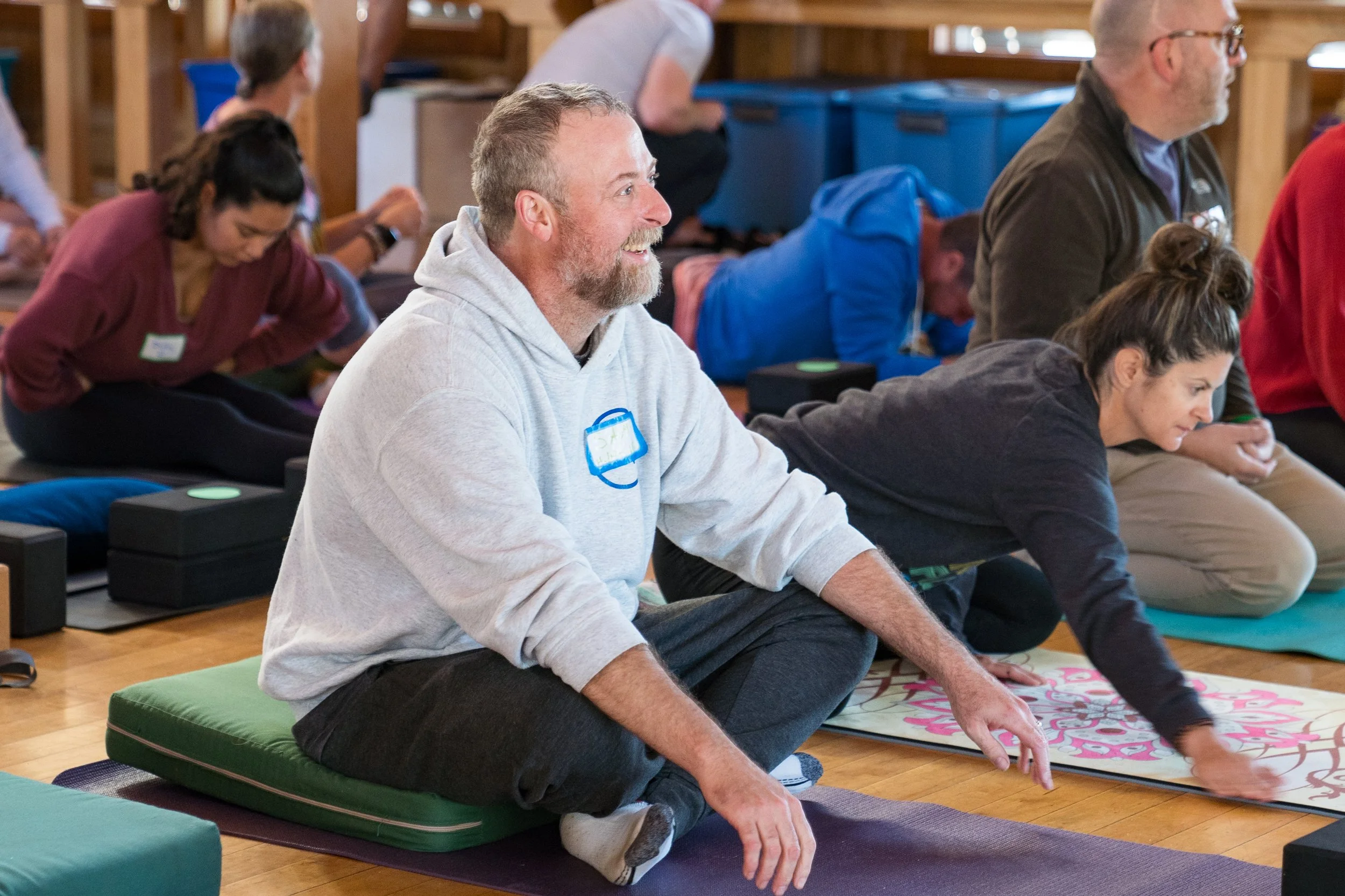
People with brain injury
Explore evidence-informed approaches to brain health, nervous system regulation, sleep, emotional well-being, cognition, purpose, and community connection—with practical tools you can explore at your own pace.
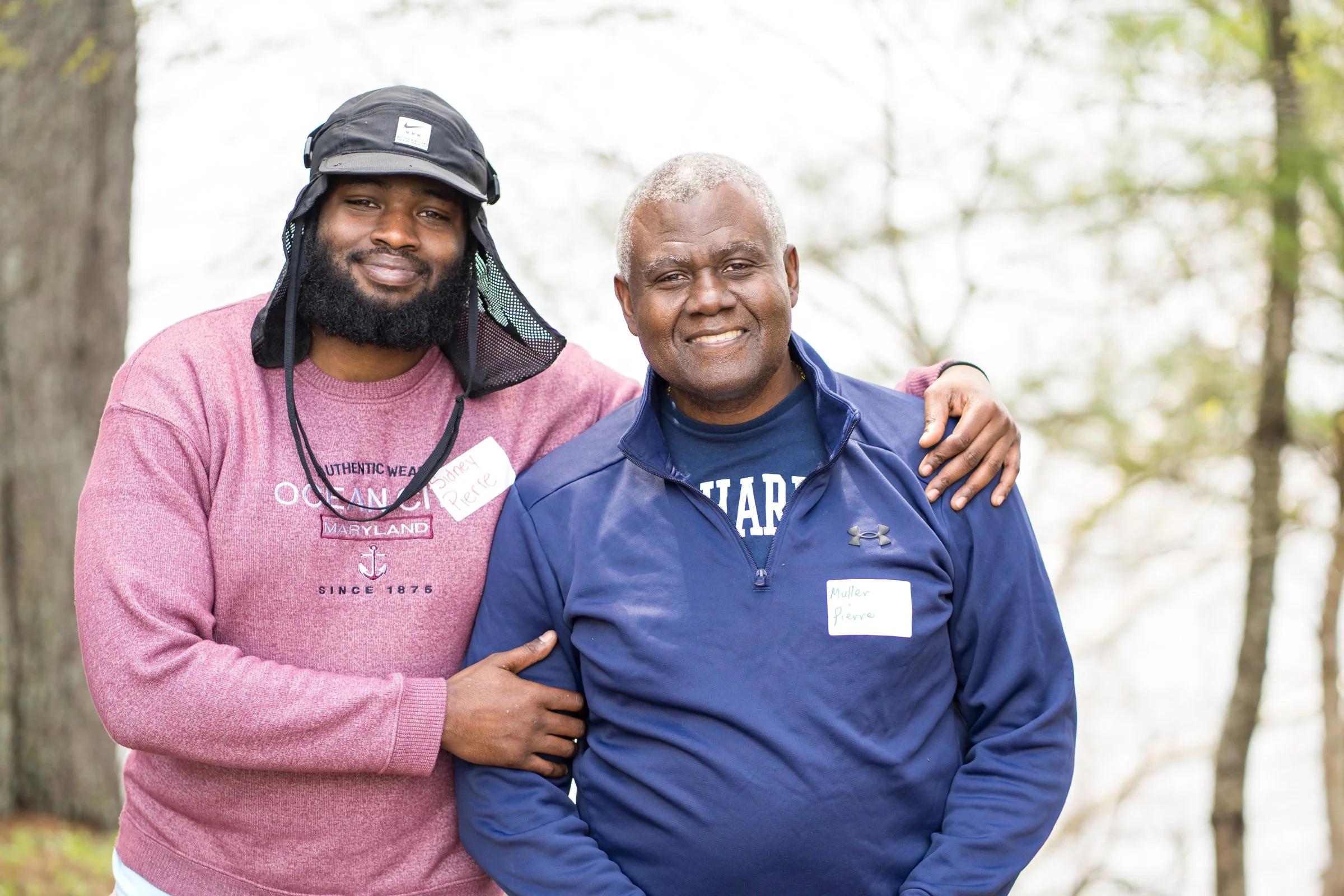
Caregivers
Gain insight into holistic healing approaches that support both caregivers and family members, including stress regulation, self-compassion, social connection, and lifestyle practices.
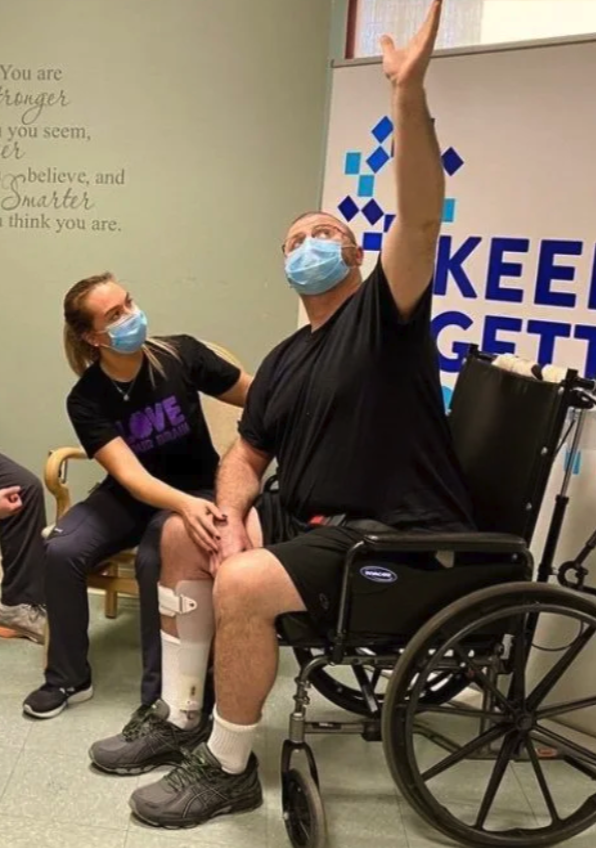
Clinicians
Discover emerging and complementary approaches to brain injury rehabilitation, including EMDR, mindfulness, neuromodulation, nutrition, yoga nidra, music therapy, photobiomodulation, and social prescribing.
The Guide features 16 experts
Learn from leading clinicians, neuroscientists, neuropsychologists, occupational therapists, and integrative health practitioners.
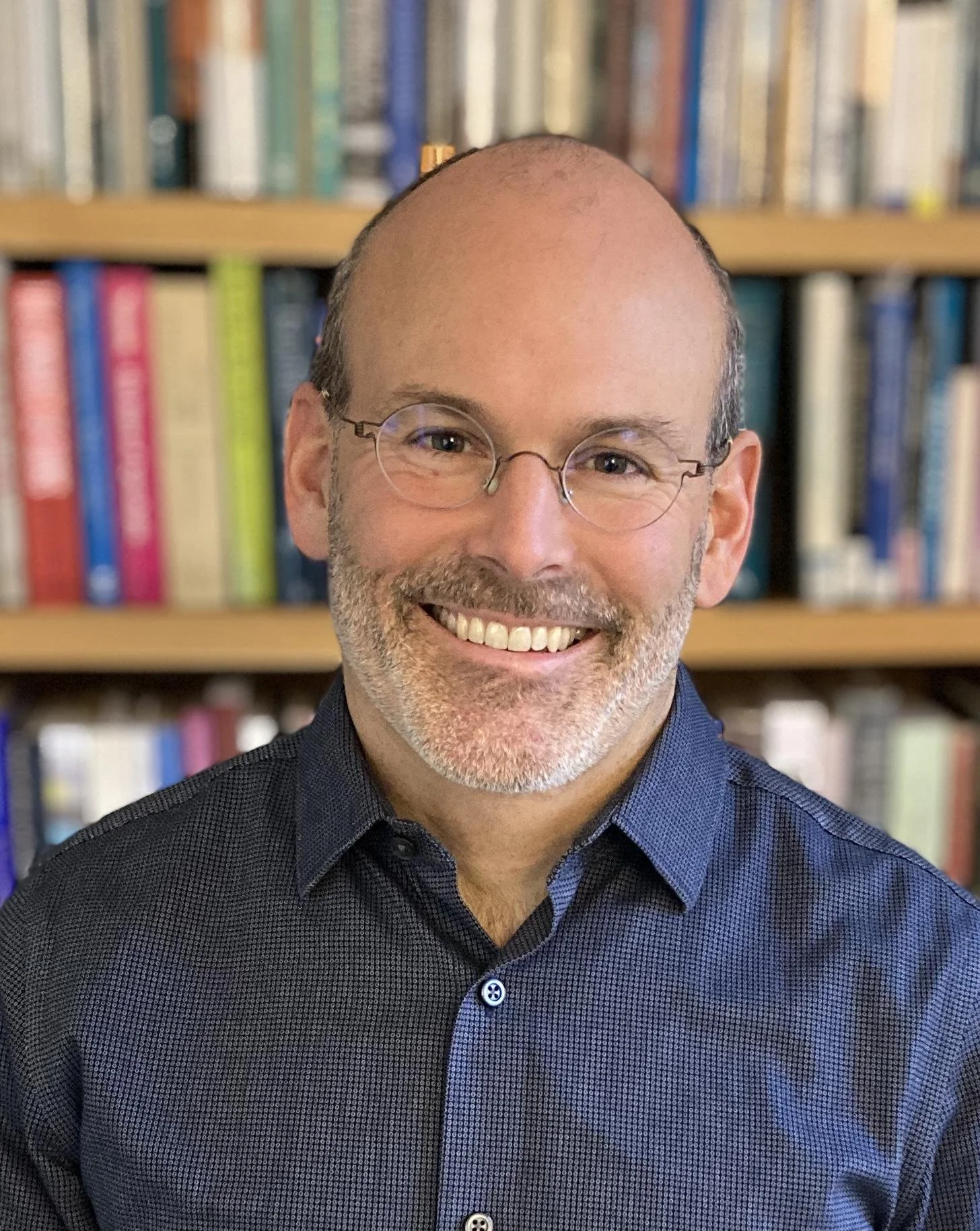
Dr. Judson Brewer
Neuroscientist, psychiatrist, and author of Unwinding Anxiety and The Craving Mind. Dr. Brewer's research on habit change and the brain's default mode network applies directly to anxiety, compulsive thought patterns, and emotional dysregulation after brain injury.
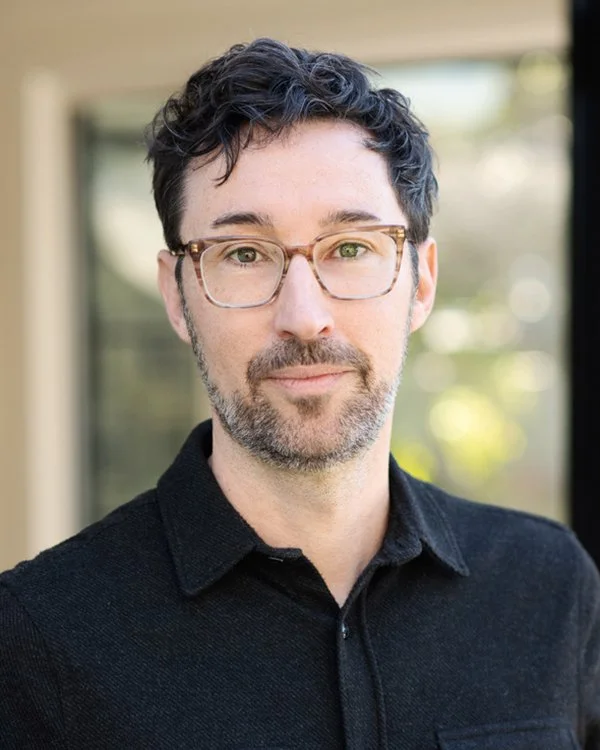
David Treleaven, PhD
Author of Trauma-Sensitive Mindfulness and a leading voice on trauma-informed contemplative practice. His work addresses the unique adaptations needed when applying mindfulness to trauma — including traumatic brain injury.
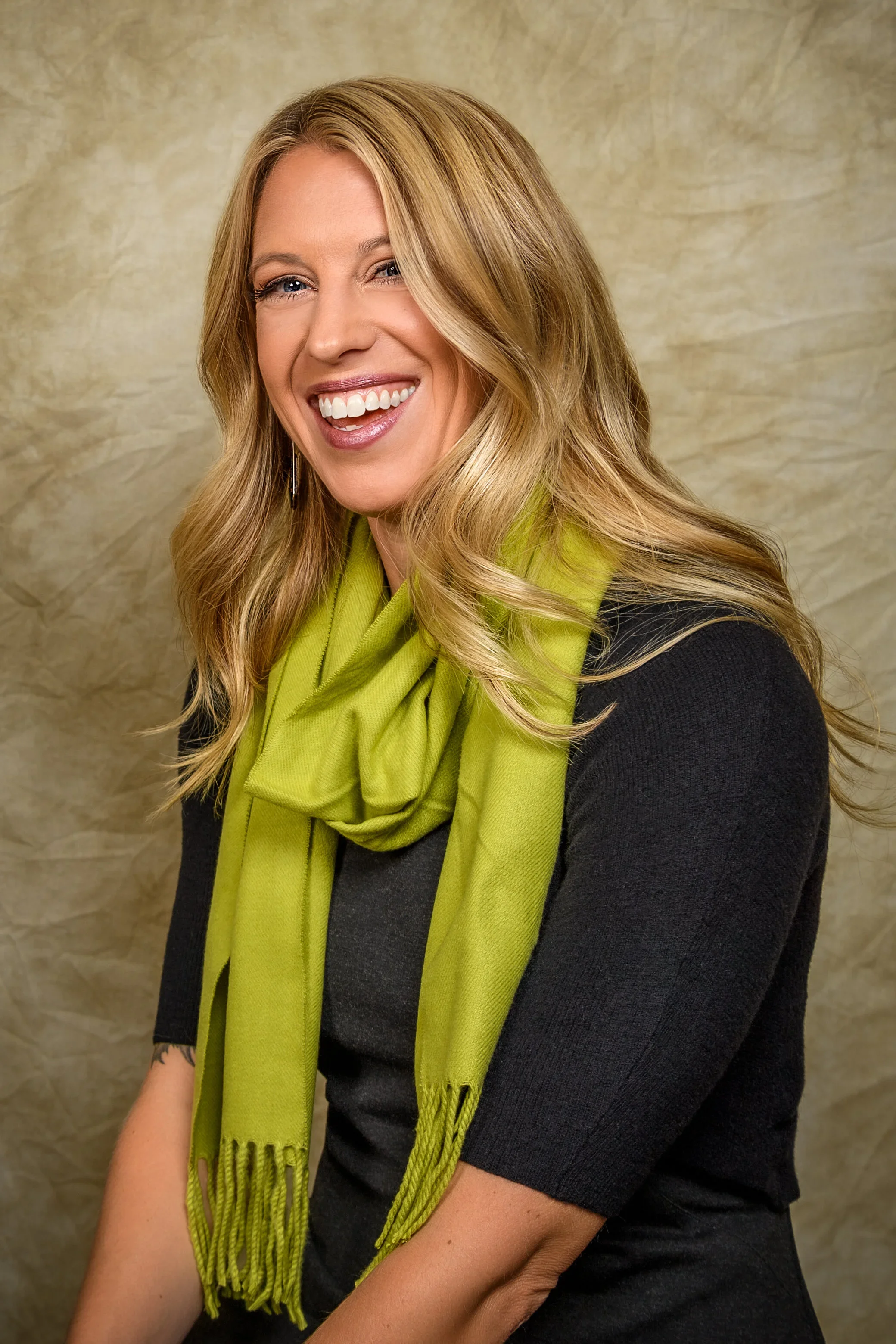
Dr. Ayla Wolf
Naturopathic physician and author of The Concussion Breakthrough: Discover the Missing Pieces. Dr. Wolf specializes in functional and integrative approaches to concussion and TBI recovery.
Bridging the gap between clinical care and lifelong healing
We created this guide because too often after brain injury, people are told, "This is as good as it gets”—or left without enough support once clinical care ends. Inside LoveYourBrain’s Guide, you'll find the opposite: a vision of what empowered, lifelong healing can look like.
Clinical care is the foundation of healing, but the rest of the journey is deeply personal. People with brain injury benefit from tools they can manage and grow with over time. Evidence-backed holistic approaches provide exactly this type of support. It’s the difference between being a passenger and a driver on the road to well-being.
Frequently Asked Questions
-
Holistic healing after brain injury addresses recovery across physical, cognitive, emotional, and social dimensions — not just medical symptoms. It combines evidence-informed practices like mindfulness, yoga, nutrition, and peer support to support the whole person. Unlike clinical rehabilitation alone, holistic approaches are tools survivors can manage and grow with over time.
-
The guide covers 13 evidence-informed approaches across four dimensions of healing. Under Supporting the Healing Brain: photobiomodulation, nutrition, and neuromodulation. Under Regulating the Mind & Nervous System: mindfulness, trauma-sensitive breathwork, EMDR, and yoga nidra. Under Rebuilding Function in Daily Life: yoga, music therapy, and somatic/occupational approaches. Under Connection, Purpose & Community: social prescribing, peer support, and purpose work.
-
Up to 60% of TBI patients are discharged home without inpatient rehabilitation — leaving a documented gap between acute care and community recovery (NCBI, 2023)
A 2025 scoping review published in the Journal of Integrative and Complementary Medicine found yoga and mindfulness interventions significantly improve quality of life after TBI (JICM, 2025)
LoveYourBrain's own retreat program showed measurable improvements in quality of life, resilience, and community connection in peer-reviewed research (BrainLine / Kessler Foundation)
Comprehensive holistic neuropsychological rehabilitation produces greater improvements in community functioning compared to conventional rehabilitation alone (PMC, Holistic Practice in TBI Rehabilitation)
-
No — holistic approaches are designed to complement, not replace, clinical care. Medical and neurological rehabilitation is the foundation of brain injury recovery. Holistic practices fill the gap that typically follows discharge: they give survivors tools for ongoing, self-directed healing that clinical settings don't always provide.