

Learning Lab Series
Learning Lab Series
The Neuroscience of Compassion
Why It Matters After Brain Injury
Brain injury often brings unique psychological challenges and can lead to frustration, shame, and self-criticism. Self-compassion helps us meet our experiences with kindness rather than harsh judgment, fostering courage, resilience, and mental flexibility.
Research shows that self-compassion can support the brain’s capacity to adapt and rewire after injury. And when we hold difficulty and hope at once, we create space for deeper healing and connection—which may increase our compassion for others as well.
Featuring Professor Yoona Kang, a leader in compassion research, this Learning Lab workshop blended research-backed insights with experiential practices and shared actionable tools for cultivating and spreading compassion in everyday life.
Whether you’re living with a brain injury, supporting someone who is, or simply curious about psychology, watch this workshop replay to discover how compassion can support resilience after brain injury.
Originally broadcast on May 20th, 2026
Watch an experiential compassion exercise with Dr. Kang
Sponsored by

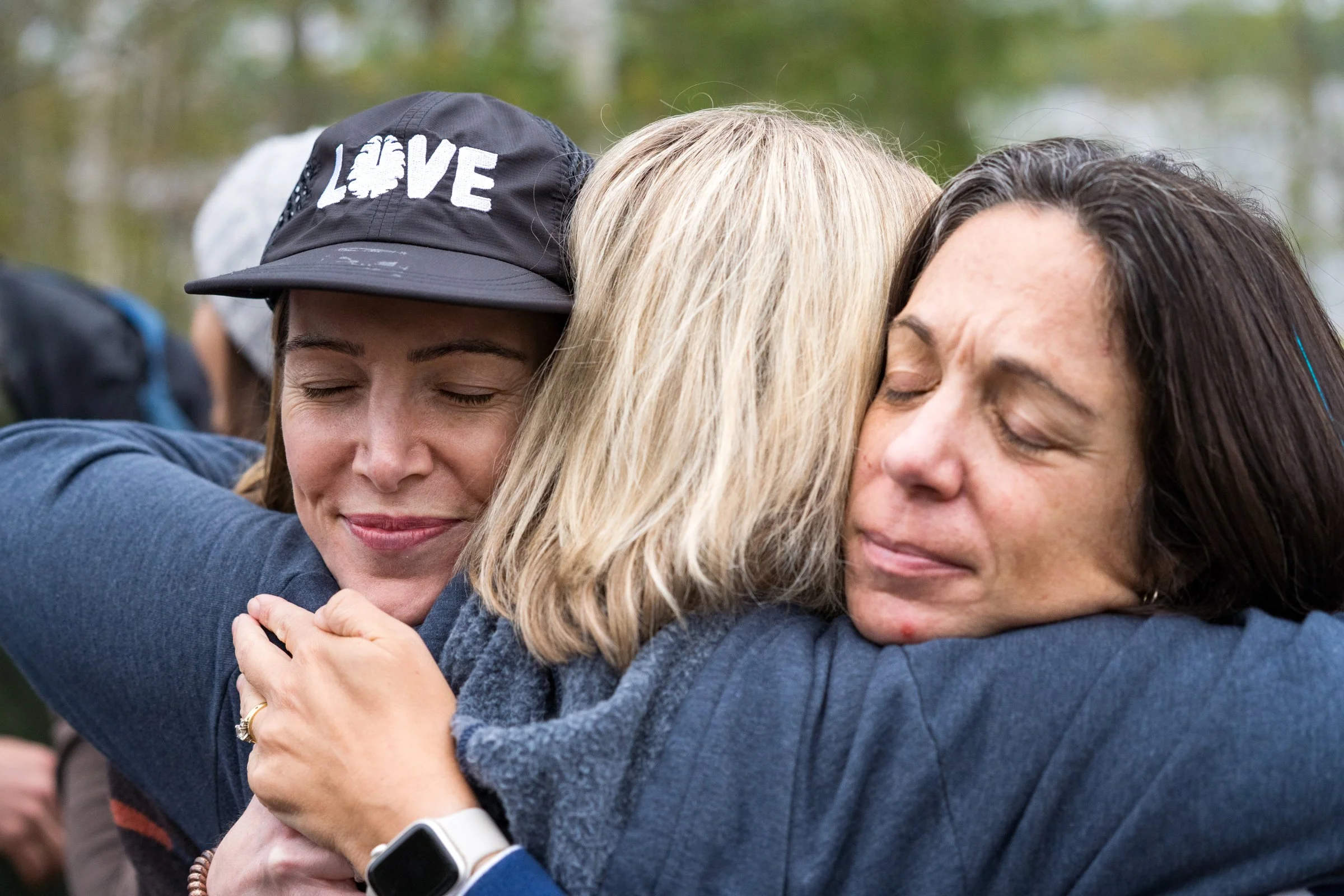
What you’ll learn from Dr. Yoona Kang
Understand the neural foundations of compassion
Recognize how brain injury can impact self-perception and self-love
Explore the role of compassion in resilience and recovery
Learn simple compassion meditations for daily life
About the Speaker: Dr. Yoona Kang
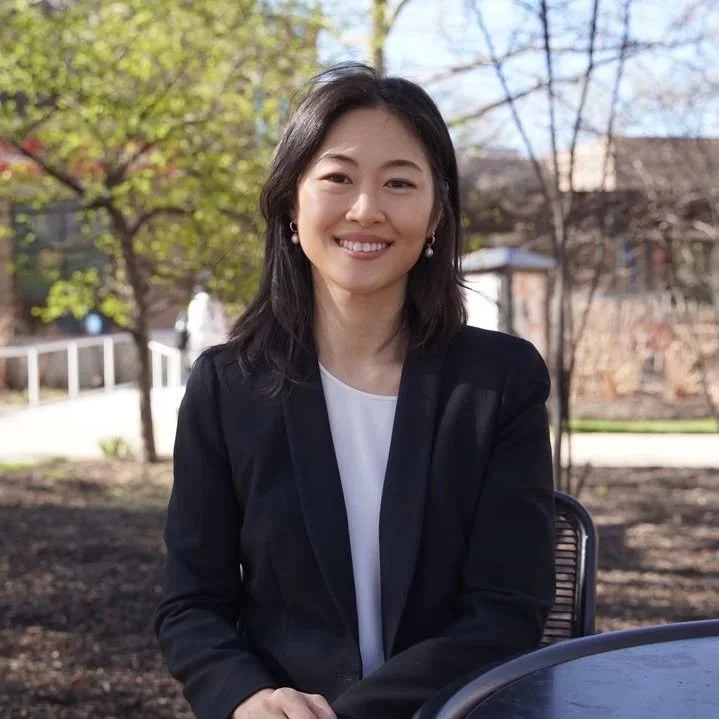
Dr. Yoona Kang is the Director of the Compassion and Well-being Lab and an Assistant Professor of Psychology and Prevention Science at Rutgers University-Camden. Her research focuses on understanding the nature and consequences of compassion. She develops theory-driven, evidence-based compassion interventions designed to optimally grow and spread compassion through social networks.
Her recent work explores mobile apps and digital tools for compassion-based intervention, using a microdosing approach to support scalable improvements in well-being. Dr. Kang takes a multimethod approach that integrates experimental and behavioral paradigms, computational neuroimaging, ecological momentary assessment, social network analysis, and natural language processing. She applies these methods to interconnected dimensions of wellness, including physical activity, sleep, alcohol use, social connection, and loneliness. She received a Ph.D. in Cognitive Psychology from Yale University and served as a postdoctoral fellow and research director at the University of Pennsylvania’s Annenberg School for Communication. A traumatic brain injury survivor, self-compassion has been integral to her recovery.
Ready to go deeper? Sign up for Mindset Online, our free, evidence-based interactive online program for people with brain injury (including concussion) and caregivers, combining yoga, mindfulness, and education to build resilience after brain injury.
See upcoming Learning Labs and explore the Learning Lab Archive