Research Category: Yoga & Mindfulness for Concussion, TBI, Stroke and Neurological Conditions
A Crossover Pilot Trial of the Feasibility, Acceptability, and Effectiveness of LoveYourBrain Yoga for Community-Dwelling Adults with Multiple Sclerosis
Journal: Complementary Therapies in Clinical Practice
Year: 2022
Authors: Kyla Z. Donnelly, Charlotte Jeffreys, Todd MacKenzie, Lauren McDonnell, Holle Black, Martha L. Bruce, Andrew D. Smith
Fatigue is one of the most common and disabling symptoms experienced by people living with multiple sclerosis (MS), often affecting physical function, emotional well-being, work, and quality of life. While previous research suggested yoga could help manage MS symptoms, few studies had evaluated manualized, community-based yoga programs that combine movement with education and mindfulness.
This cross-over pilot study evaluated whether LoveYourBrain Yoga—a six-week program combining breathing exercises, gentle yoga, meditation, psychoeducation, and group discussion—could be successfully adapted for adults with multiple sclerosis living in rural communities. Researchers assessed feasibility, participant satisfaction, and changes in fatigue and other health-related outcomes compared with a control period. The results aimed to expand access to effective yoga programming for people with MS to support their self-management skills and well-being.
Summary
Key Findings
✔ Significant reductions in fatigue
✔ Significant improvements in positive affect and well-being
✔ Significant reductions in anxiety
✔ Average participant satisfaction rating of 9.5 out of 10
✔ 92% of participants said they would definitely recommend the program to friends or family
✔ No study-related adverse events were reported
✔ Participants reported learning practical tools for stress reduction, anxiety management, relaxation, and self-care that they continued using outside of class.
Study Details
Non-randomized crossover pilot trial
Six-week LoveYourBrain Yoga program
Community-based rural yoga studio
15 adults living with multiple sclerosis
Participants served as their own controls through a crossover design
Program included:
10 minutes of breathing exercises
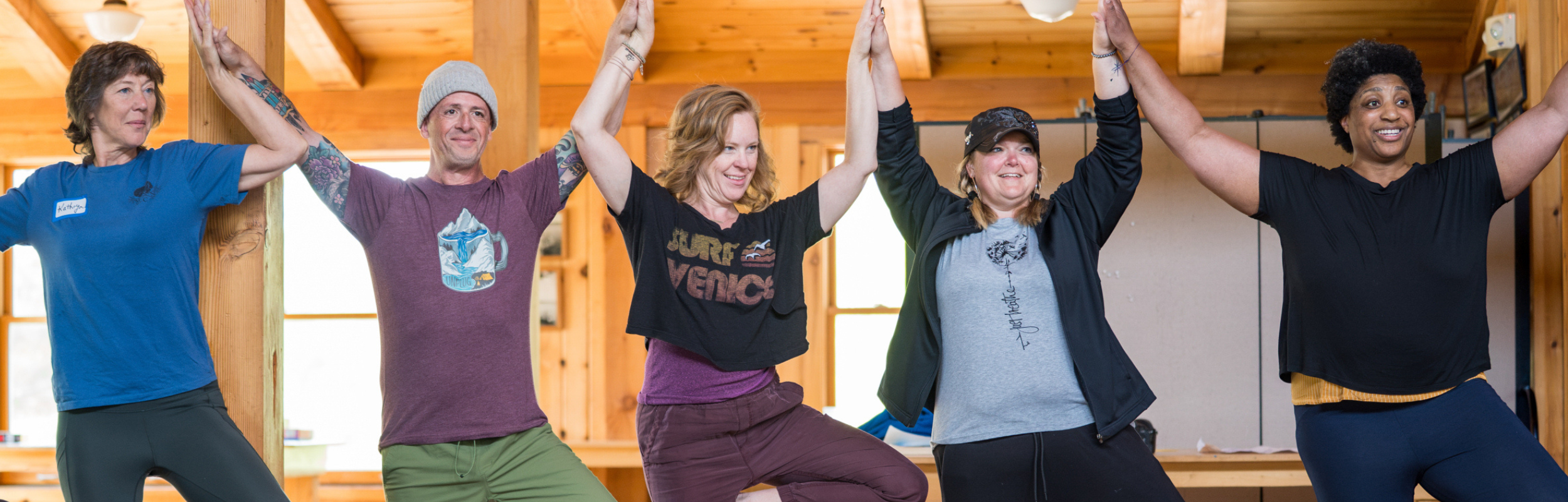
45 minutes of gentle adaptive yoga
15 minutes of guided meditation
20 minutes of psychoeducation and group discussion
Outcomes measured included fatigue, anxiety, cognition, self-efficacy, sleep, pain, positive affect, and quality of life.
Impact and Conclusions
The study found that LoveYourBrain Yoga was both feasible and highly acceptable for adults with multiple sclerosis in a rural community setting. Participants attended regularly, reported exceptional satisfaction, and experienced meaningful improvements in fatigue, anxiety, and overall well-being.
Researchers concluded that combining adaptive yoga with psychoeducation and peer discussion may provide benefits beyond yoga alone by helping participants build coping skills, self-acceptance, resilience, and community connection. The authors recommend larger randomized studies, but these findings demonstrate that LoveYourBrain Yoga has strong potential as a complementary therapy for managing MS symptoms.
What this means for you
This study suggests that a manualized program combining gentle movement, mindfulness, education, and peer support can help people living with multiple sclerosis better manage fatigue, anxiety, and overall well-being while providing practical skills they can continue using in everyday life.
Frequently Asked
Questions
-
Yes. Fatigue was the primary outcome of the study, and participants experienced a significant reduction in fatigue after completing the six-week program compared with the control period. Since fatigue is one of the most disabling symptoms of MS, these findings suggest LoveYourBrain Yoga may offer an effective complementary approach for symptom management.
-
LoveYourBrain Yoga combines adaptive yoga with breathing exercises, guided meditation, psychoeducation, and facilitated group discussion. Participants consistently highlighted the discussion and educational components as helping them feel understood, build self-acceptance, learn practical coping strategies, and connect with others living with similar experiences.
-
Yes. Participants reported an average satisfaction score of 9.5 out of 10, more than 92% said they would definitely recommend the program, attendance was high, and no study-related adverse events occurred. Participants also appreciated that movements were adaptable to different ability levels and accommodated symptoms such as balance challenges.
-
Potentially, yes. LoveYourBrain Yoga was originally developed for people living with traumatic brain injury, where multiple studies have demonstrated its feasibility, acceptability, and effectiveness. Because many neurological conditions share common challenges—such as fatigue, anxiety, cognitive changes, balance difficulties, and reduced quality of life—researchers adapted the program for people with multiple sclerosis..
This pilot study found that LoveYourBrain Yoga was feasible, highly acceptable, and associated with improvements in fatigue, anxiety, and positive well-being among adults with multiple sclerosis. While additional research is needed in larger and more diverse populations, these findings suggest that the LoveYourBrain Yoga model may have broader applications across neurological conditions when thoughtfully adapted to the unique needs of each community.
LoveYourBrain programs based on this study
Related Studies

LYB Mindset: Feasibility, Acceptability, Usability, and Effectiveness