
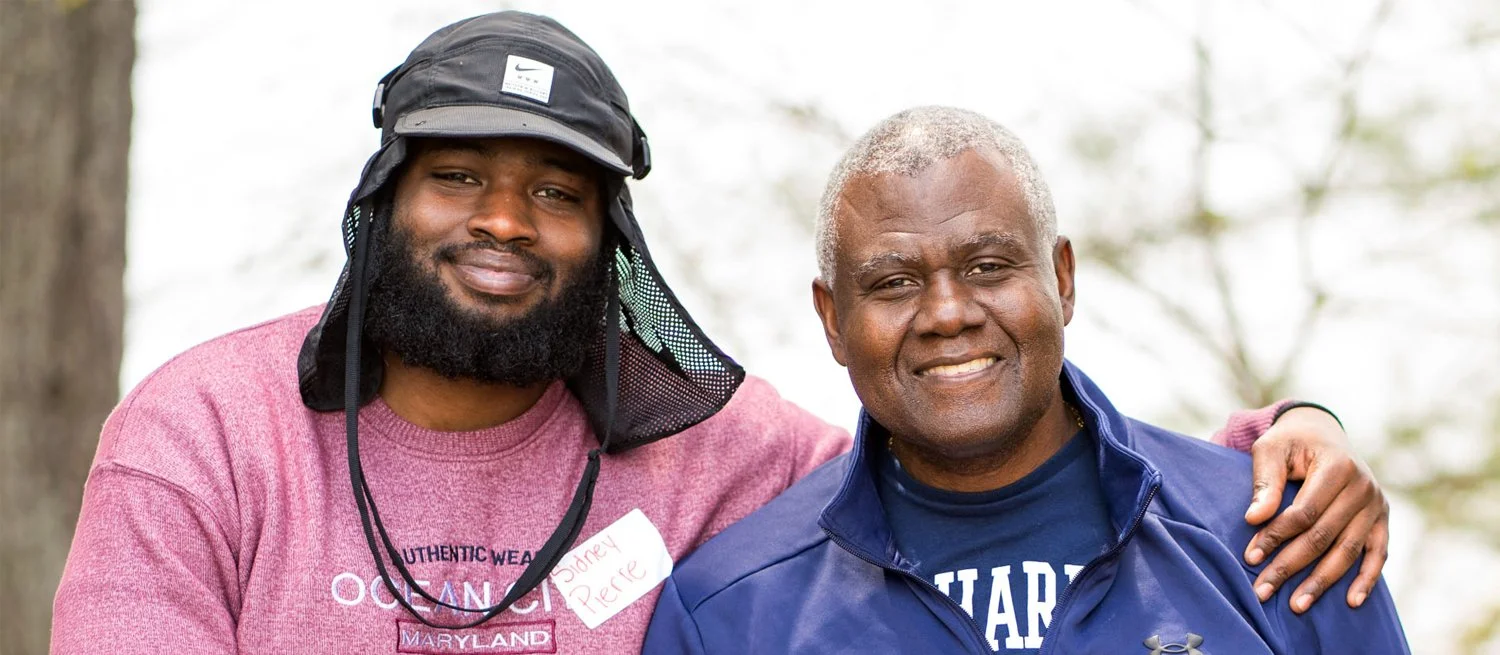
Mindset Affinity Group for the BIPOC Community
A free, six-week online program supporting the healing and well-being of people with brain injury who identify as Black, Indigenous, or People of Color.Tap into your superpower: your mindset. Our free, research-backed, online program offers peer support and tools proven to improve mental health, mobility, sleep, community connection, and more! For anyone impacted by brain injury, with specialized programs for caregivers, BIPOC, veterans, LGBTQIA+, young adults, and athletes.
CTA BUTTON
For many people in the BIPOC community, the experience of brain injury is shaped not only by physical and emotional recovery—but also by cultural identity, systemic inequities, and patterns of isolation that disproportionately impact communities of color.
The BIPOC Mindset Affinity Group creates a dedicated healing space where participants can come together with others who share similar lived experiences. Facilitators who identify as BIPOC foster an environment rooted in cultural humility, trauma-informed communication, and community care.
This group is designed to:
Honor the cultural, social, and generational contexts that shape healing
Create a supportive space where participants feel seen, understood, and affirmed
Reduce isolation by connecting participants with a community of peers
Provide tools to help navigate the emotional, cognitive, and relational impacts of TBI
This is a space where identity is not something you have to explain—it's something that’s welcomed, respected, and centered.
Mindset is our free, six-week, evidence-based online program designed for people affected by traumatic brain injury. Each weekly session integrates yoga, mindfulness, psychoeducation, and group discussion to support emotional resilience, reduce stress, and cultivate meaningful connection.
Mindset is:
Accessible: no experience required, designed for all levels
Trauma-informed: facilitators trained to support emotional and cognitive needs
Community-oriented: built around shared experience and mutual encouragement
Evidence-based: supported by nine published studies in partnership with Dartmouth College
Our program is rooted in five pillars: mindfulness, yoga, psychoeducation, nutrition, and community-building.
Two Program Formats
Group Discussion
45 min classes with group discussion
Weekly emails with 4 mindfulness tools
For people with brain injury and caregivers (15+ years old)
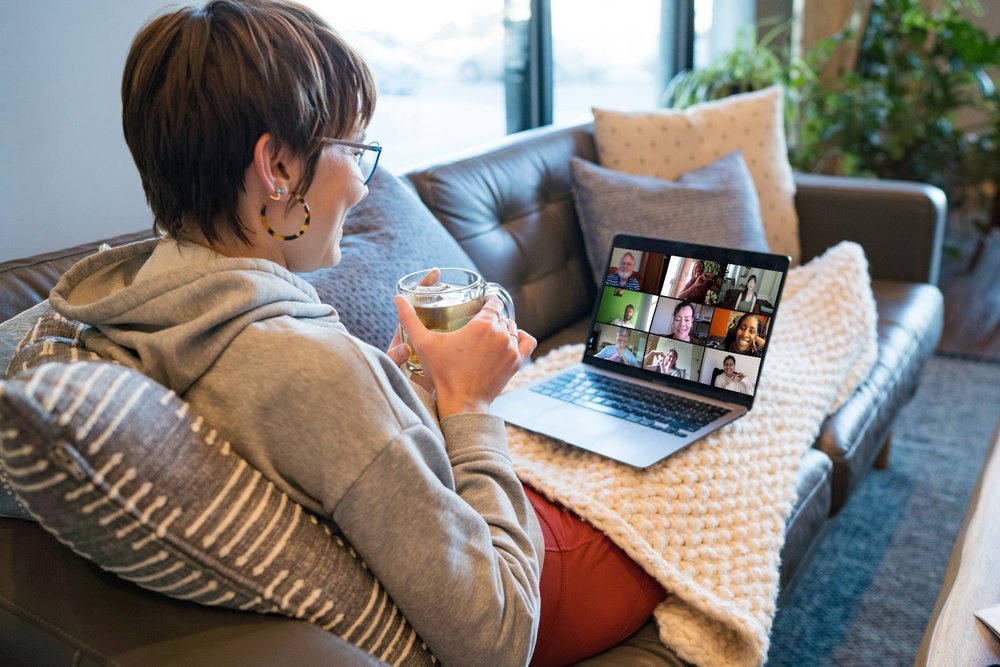
Programs offered in January, April, July, and October
Yoga & Discussion
75 min classes with gentle yoga & group discussion
Weekly emails with 4 mindfulness tools
For people with brain injury and caregivers (15+ years old) able to move without assistance (no wheelchair/walker

SECTION 3: What You’ll Learn
(Boilerplate with affinity-specific nuance)
Across six weeks, you’ll explore:
Mindfulness practices to reduce stress and improve emotional regulation
Gentle yoga designed for people with TBI
Psychoeducation on managing cognitive fatigue, overwhelm, and sensory challenges
Tools for communication, self-compassion, and daily life navigation
Community discussions that reflect the lived experience of BIPOC individuals healing after brain injury
While the core curriculum is consistent across all Mindset groups, this affinity group incorporates space for identity-informed dialogue and shared cultural understanding.
SECTION 4: Why Join the BIPOC Mindset Group?
(Affinity-specific content)
This group is ideal for participants who:
Identify as Black, Indigenous, or a Person of Color
Want a healing environment where race, culture, and identity are acknowledged as part of the TBI experience
Seek connection with others who understand the intersection of TBI and systemic inequities
Prefer a group led by BIPOC facilitators
Want tools to support emotional resilience, self-regulation, and community connection
Participants often share that this space feels especially grounding, empowering, and safe—because it reflects their lived reality.
If you’ve ever felt unseen or misunderstood in other healing spaces, this group is for you.
SECTION 6: What Past Participants Say
(Affinity-specific testimonials when available — placeholders below)
“Being part of a group where everyone shared some part of my lived experience made all the difference. I felt understood and supported in a way I haven’t felt since my injury.”
“This group gave me tools for my healing, but more importantly, it gave me a community that felt like home.”
If you’d like, I can pull real quotes from your feedback dataset.
SECTION 7: Research & Impact
(Boilerplate)
Mindset is backed by nine published research studies conducted in partnership with Dartmouth College. Findings show meaningful improvements in:
Quality of life
Emotional well-being
Resilience
Social connection
Mindfulness
We are committed to advancing equitable access to free, evidence-based healing for people with TBI—including groups that have historically been underrepresented in rehabilitative care.
CTA:
Read our Research →
Download our Annual Impact Report →
SECTION 8: Program Details & Accessibility
(Boilerplate)
Mindset is completely free
Designed for adults with traumatic brain injury
Accessible for all physical and cognitive levels
Requires a six-week commitment
Closed group model to support consistency and trust
Learn about our tools - ANCHOR TO main mage
We know screen time can be an issue, so have blended both audio recordings and videos to support different sensory and learning preferences.
1: Education
Watch engaging 1-minute videos about how you can cultivate a resilient mindset.

2: Meditation
Listen to 10-minute guided meditations to enhance self-awareness, kindness, community connection, and gratitude.
3: Yoga
Practice 45-minute mindful movement videos to improve strength, balance, and mind-body connection.

4: Yoga Nidra
Listen to 20-minute guided yoga nidra meditations to support sleep, stress relief, and self-compassion.
Yoga and meditation are for everyone. However, when online, it is up to you to assess whether you are ready for the practices you have chosen. The techniques and suggestions presented here are not intended to substitute for medical advice. The LoveYourBrain Foundation assumes no responsibility or liability in any way for damages or injuries incurred while viewing or participating in the video and audio material.
What program participants are saying
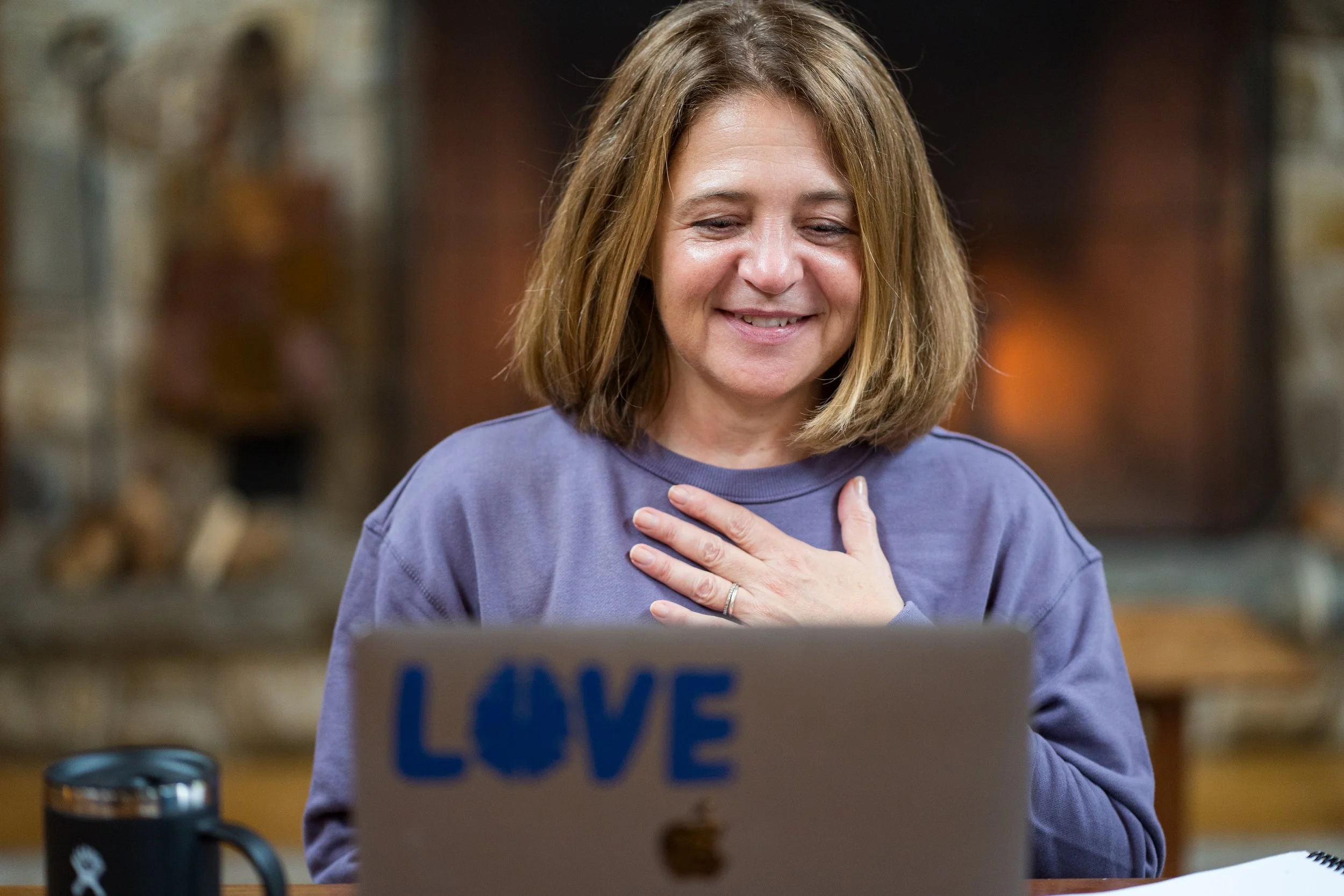
“This program has brought me inner healing physically, sanity, and emotional shelter… I am so very grateful to have been able to participate these six weeks. I will continue everyday to practice the four tools and be thankful for what I have achieved in this program.”
— Mindset Program Participant
"Through this program I was able to accept that I do have [post concussive syndrome] and I'm not making it up, it is impacting me, and I will only get better if I accept it and focus on learning how to move forward with who I am now, instead of desperately trying to get back to who I was.”
— Mindset Program Participant
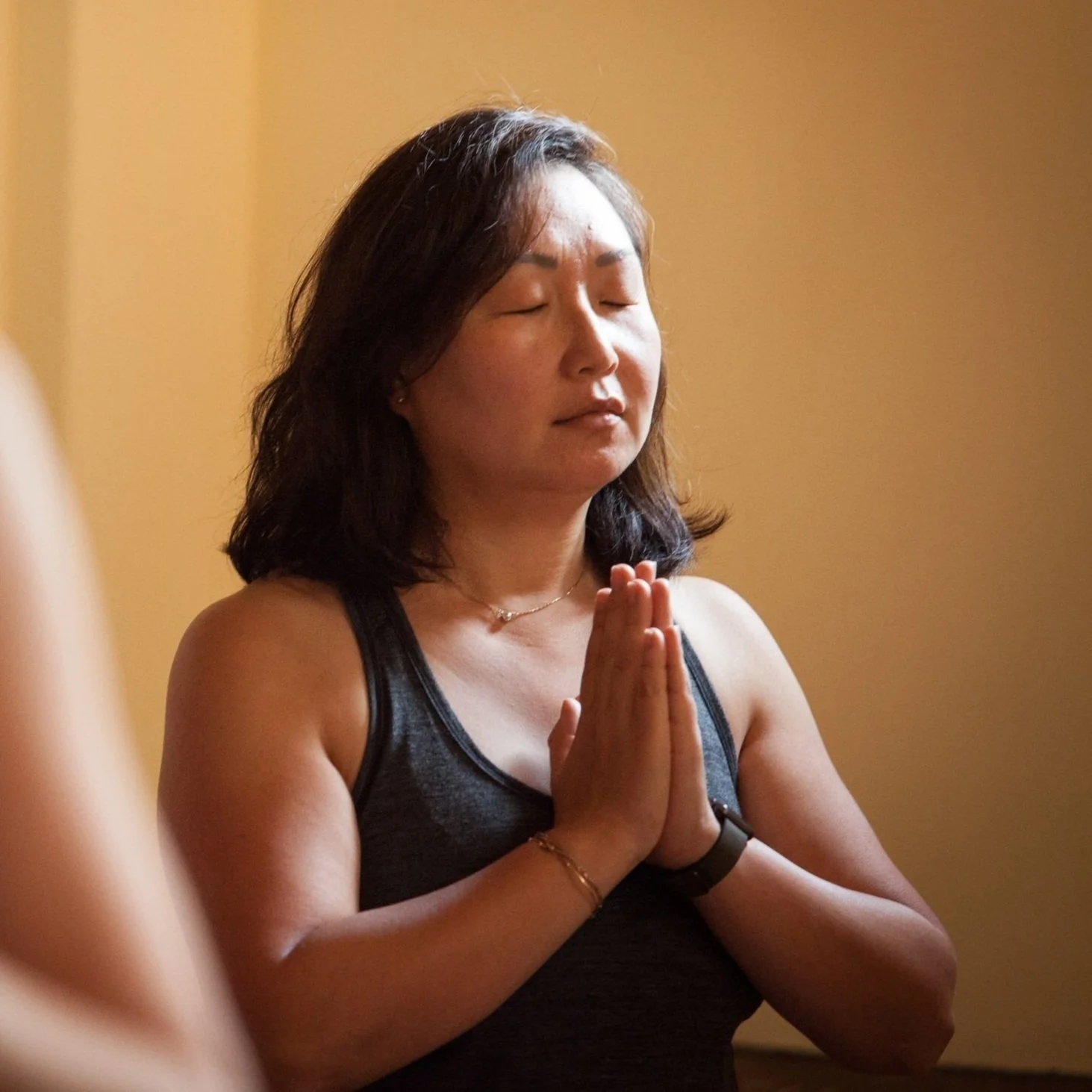
What drives our Facilitators
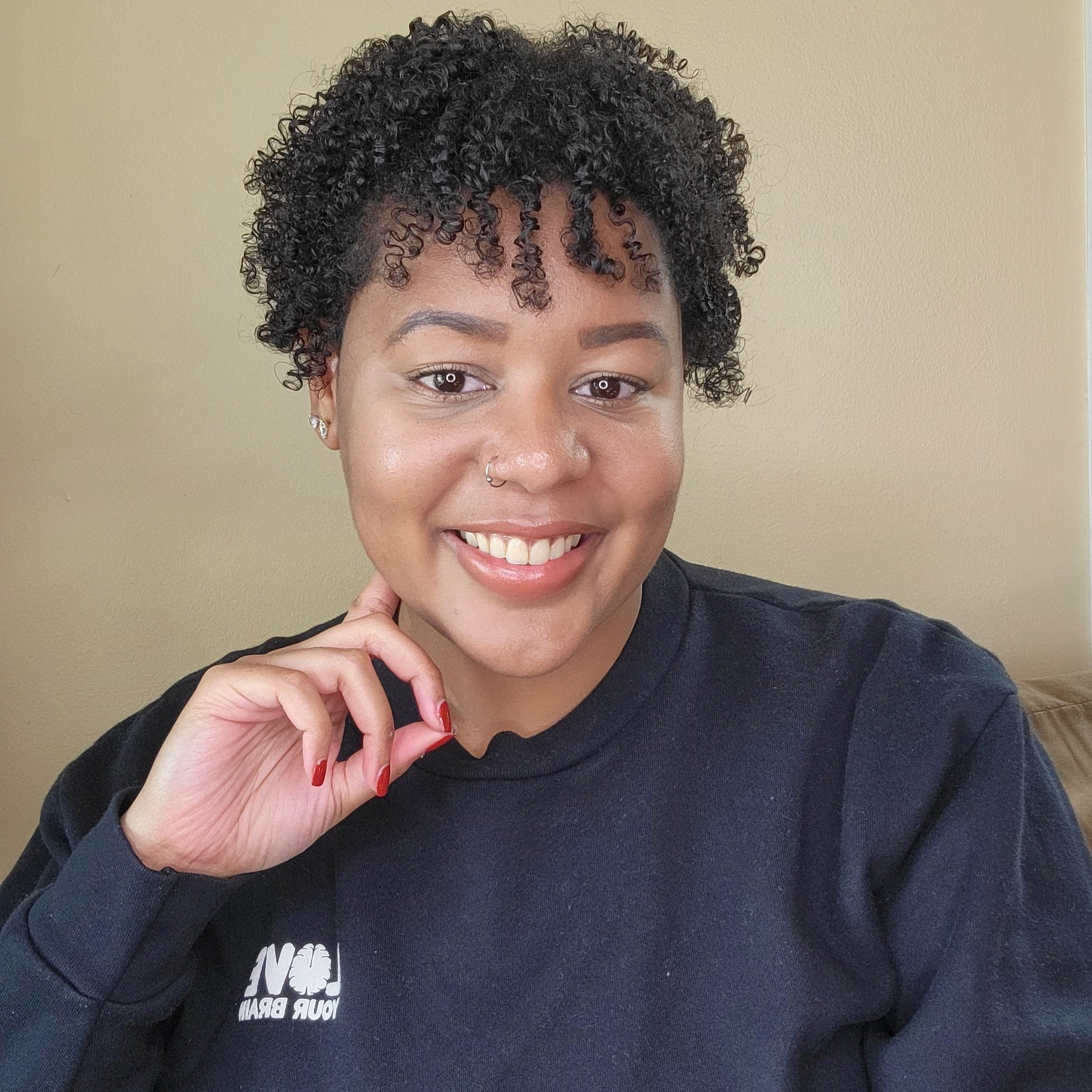
“As a BIPOC, I have experienced how it's played a role in feeling even more invisible, silenced & isolated than the TBI journey naturally creates. Facilitating this group allows me to hold space for others like me; so, they can know they're not alone, they are supported, & that their BIPOC TBI experience does matter.”
- Kourtney, BIPOC Affinity Group Facilitator
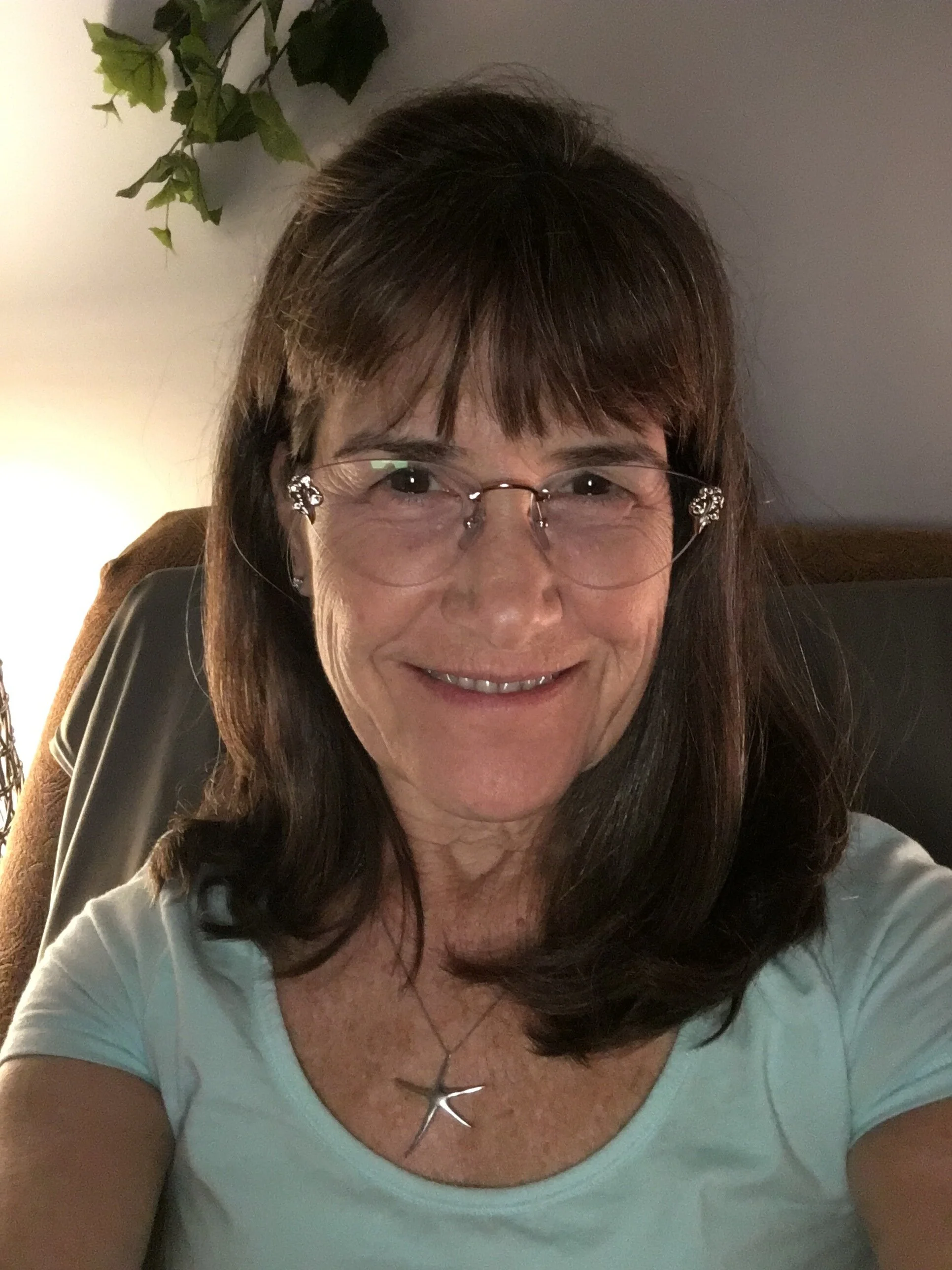
“We come together to help and support each other through listening and learning to care for ourselves as well as our loved ones. Knowing we are not alone and that there are others who have similar experiences with loss, inadequacies and the frustrations of caregiving.”
- Gioia, Caregiver Affinity Group Facilitator
What else do I need to know?
Feel free to contact us at mindset@loveyourbrain.com
Interested in becoming a Mindset Facilitator?
As a Mindset Facilitator, you’ll join our network of Program Leaders!
Learn more about the requirements to become a Mindset Facilitator!