Research Category: Yoga & Mindfulness for Concussion, TBI, Stroke and Neurological Conditions
The Acceptability, Feasibility, and Effectiveness of LoveYourBrain Yoga for People with Traumatic Brain Injury and Caregivers
First large-scale study demonstrating the feasibility and effectiveness of LoveYourBrain Yoga in community settings
Journal: Disability and Rehabilitation
Year: 2019
Authors: Kyla Z. Donnelly, Kim Baker, Ramsay Pierce, Amanda R. St. Ivany, Paul J. Barr, Martha L. Bruce
Many people living with traumatic brain injury (TBI) continue to experience challenges with physical health, cognition, emotional well-being, and quality of life long after formal rehabilitation ends. Yoga is a holistic, mind-body therapy involving physical movement, breathing exercises, meditation practices, and ethical principles. Research has shown yoga can benefit many aspects of quality of life after TBI, yet (at the time of the study) is largely inaccessible to people affected by TBI in community settings. To address this gap, the LoveYourBrain Foundation developed a group-based yoga, mindfulness, and psychoeducation program for people with TBI and their caregivers with the goal of expanding it to all 50 US states.
This study evaluated the feasibility, participant satisfaction, and effectiveness of LoveYourBrain Yoga, a free, six-week community-based program that combines breathing exercises, gentle yoga, guided meditation, psychoeducation, and group discussion. Researchers examined changes in quality of life and other validated patient-reported outcomes while also exploring participants' experiences through qualitative feedback. The findings aimed to inform the delivery of accessible, community-based rehabilitation programs that support long-term mental well-being, physical health, and social connection after brain injury.
Summary
Key Findings
✔ Significant improvements in overall quality of life
✔ Improved cognition
✔ Increased resilience
✔ Improved positive affect and well-being
✔ Average participant satisfaction rating of 9.3 out of 10
✔ Successfully implemented across 156 community-based programs in 18 U.S. states and 3 Canadian provinces
✔ Participants reported benefits to physical health, emotional well-being, community connection, confidence, self-management, and daily functioning
Study Details
Mixed-methods, retrospective pre-post study
Six-week LoveYourBrain Yoga program
Community-based yoga studios
156 program offerings
45 yoga studio partners
18 U.S. states and 3 Canadian provinces
1,563 participants attended at least one class
705 people with traumatic brain injury included in effectiveness analyses
152 caregivers contributed qualitative feedback
Outcomes measured using validated QOLIBRI-OS, TBI-QOL, and Neuro-QOL assessments
Impact and Conclusions
Results demonstrated that LoveYourBrain Yoga can be successfully implemented on a large scale in community settings while producing meaningful improvements in quality of life, resilience, cognition, and positive affect among people living with TBI. Participants also described benefits beyond the measured outcomes, including improved balance, strength, flexibility, confidence, community connection, emotional regulation, self-compassion, and hope. Caregivers reported improvements in their own physical and emotional well-being, stronger relationships, and greater understanding of life after brain injury.
Overall, this study suggests that LoveYourBrain Yoga is a feasible, acceptable, and effective community-based rehabilitation program that expands access to holistic care after brain injury.
What this means for you
People with TBI and their caregivers don't have to navigate recovery alone or rely only on traditional rehabilitation. This study found that participants experienced improvements in quality of life, resilience, cognition, and overall well-being while also gaining practical tools to manage everyday challenges. For someone navigating brain injury, that means greater confidence in daily life, stronger coping skills, and renewed hope that meaningful recovery can continue long after formal rehabilitation ends. This research also supports a more holistic vision of brain injury rehabilitation—one that recognizes recovery as an ongoing process rather than a finite course of medical treatment. People with TBI and their caregivers can benefit from ongoing, community-based programs that address the whole person—not just physical symptoms, but also cognition, emotional well-being, resilience, and social connection.
Frequently Asked
Questions
-
Yes. This study demonstrated that LoveYourBrain Yoga was successfully implemented through community yoga studios across 18 U.S. states and three Canadian provinces. High participation and satisfaction suggest that specialized, evidence-informed yoga programs can be delivered safely and effectively outside traditional healthcare settings.
-
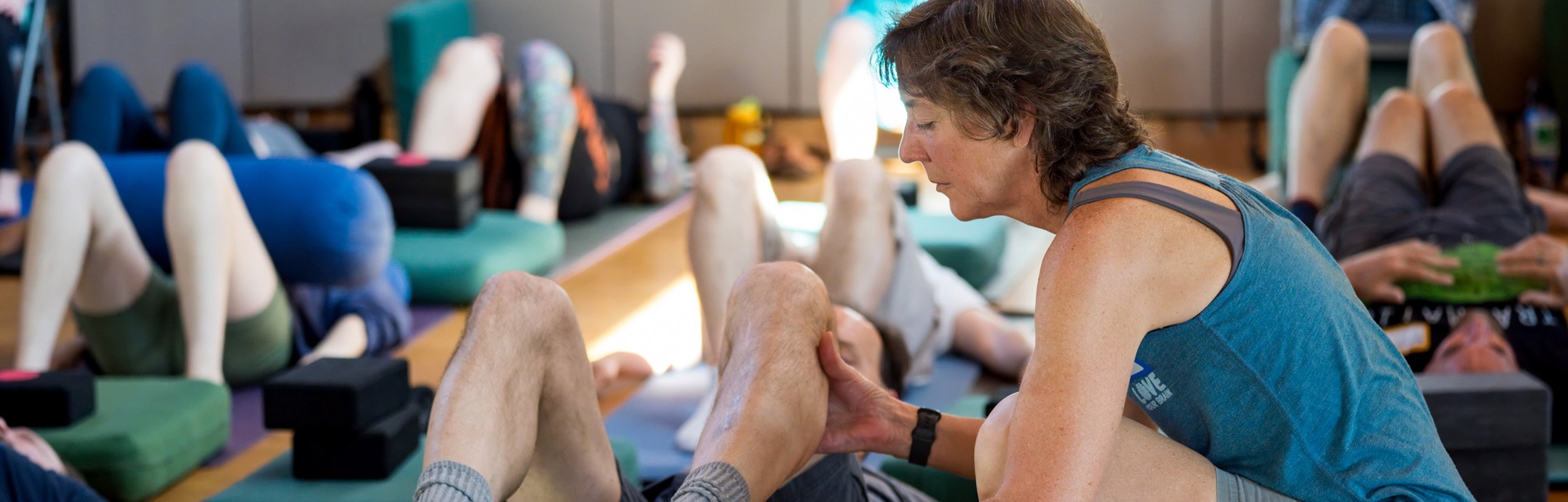
Yes. Each 90-minute class combines breathing exercises, gentle yoga, guided meditation, psychoeducation, and facilitated group discussion. Together, these components are designed to improve physical function while building resilience, emotional regulation, self-awareness, and community connection.
-
Yes. Although standardized outcome measures focused on participants living with traumatic brain injury, caregivers reported meaningful improvements in relaxation, sleep, physical well-being, self-care, and relationship connection. Many also described gaining greater understanding of brain injury and learning practical tools that supported both themselves and the person they care for.
-
The program received very high satisfaction ratings (9.3 out of 10), and participants consistently described the classes as welcoming, adaptable, and supportive of a wide range of symptoms and abilities. Some participants recommended longer programs, additional discussion time, or more environmental accommodations such as quieter spaces or lower lighting. Scheduling conflicts and transportation—not dissatisfaction with the program—were the most common reasons people did not complete the series. These findings suggest LoveYourBrain Yoga is both feasible and well accepted as a community-based rehabilitation program.
LoveYourBrain programs based on this study
Related Studies

LoveYourBrain Mindset: Feasibility, Acceptability, Usability, and Effectiveness
Pilot Program for Adults with ABI