Research Category: Yoga & Mindfulness for Concussion, TBI, Stroke and Neurological Conditions
The Feasibility and Impact of a Yoga Pilot Programme on the Quality-of-life of Adults with Acquired Brain Injury
First controlled pilot study evaluating the feasibility and impact of an adapted yoga program on quality of life among adults with acquired brain injury
Journal: Brain Injury
Year: 2016
Authors: Kyla Z. Donnelly, Kate Linnea, Daya Alexander Grant, Jonathan Lichtenstein
Adults living with acquired brain injury (ABI)—including traumatic brain injury, stroke, brain tumors—often experience long-term physical, cognitive, and emotional challenges that reduce quality of life. Yoga is a holistic, mind-body therapy involving physical movement, breathing exercises, meditation practices, and ethical principles. Research has shown yoga can improve a broad range of mental, cognitive, physical, and social health outcomes for people with neurological conditions, yet (at the time of the study) TBI-specific was largely inaccessible.
To address this gap, the LoveYourBrain Foundation developed an eight-week yoga and mindfulness program, and sought to evaluate the feasibility, acceptability, and preliminary effectiveness on quality of life among people with ABI. Researchers compared participants who completed the yoga program with a waitlist control group who did not participate. The results were designed to inform the refinement of the LYB Yoga curriculum and efforts to scale the program, if shown to be effective.
Summary
Key Findings
✔ Significant improvements in overall quality of life
✔ Improved cognition
✔ Increased resilience
✔ Improved positive affect and well-being
✔ Average participant satisfaction rating of 9.3 out of 10
✔ Successfully implemented across 156 community-based programs in 18 U.S. states and 3 Canadian provinces
✔ Participants reported benefits to physical health, emotional well-being, community connection, confidence, self-management, and daily functioning
Study Details
Pilot controlled study
31 adults with acquired brain injury
Yoga group: 16 participants
Control group: 15 participants
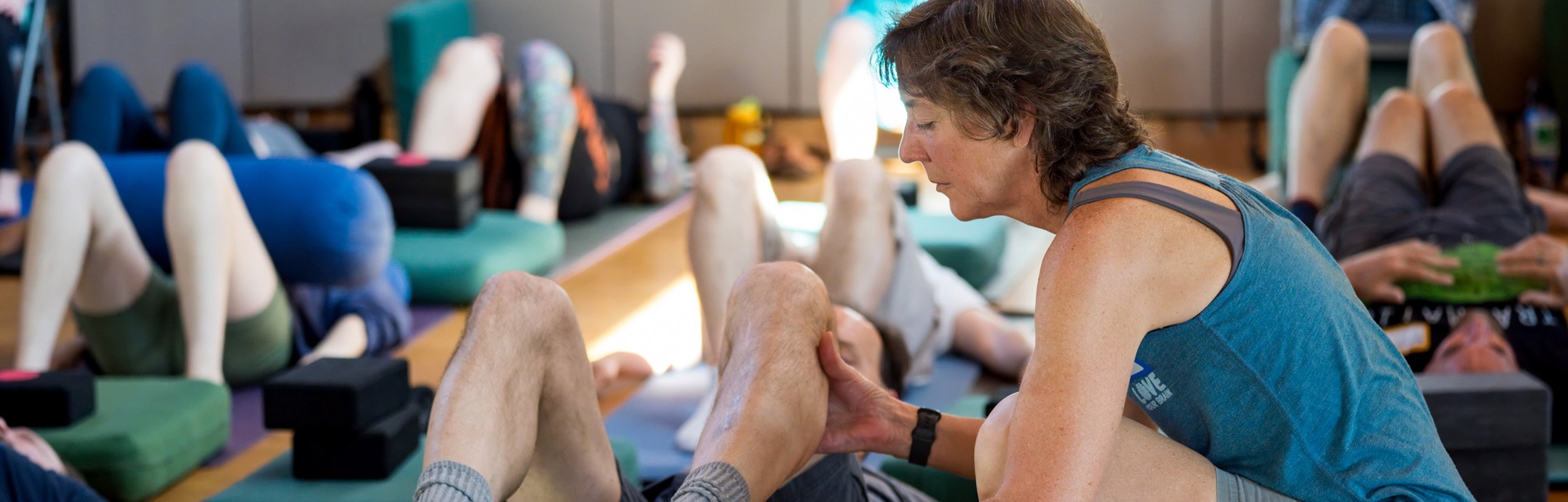
Eight-week adapted yoga program
One-hour classes offered twice weekly
Gentle yoga curriculum adapted specifically for brain injury, including modifications for balance challenges, neck pain, fatigue, and strength limitations, with breathing exercises, meditation, and themes such as acceptance, resilience, and positive thinking.
Quality of life measured before and after the program using the Quality of Life After Brain Injury (QOLIBRI) instrument.
Impact and Conclusions
Participants who completed the yoga program experienced meaningful improvements in quality of life, particularly in emotional health and self-perception. Researchers noted that these improvements reflect important aspects of resilience—such as confidence, motivation, hope, and the ability to adapt after adversity—which are closely linked to successful long-term recovery after brain injury.
The group-based, community setting was also viewed as a major strength. Participants valued connecting with others who shared similar experiences, and researchers concluded that community-based yoga programs may help promote community integration, one of the primary goals of brain injury rehabilitation.
Overall, the study demonstrated that adapted yoga is both feasible and well accepted for adults with acquired brain injury and warrants larger clinical trials.
What this means for you
Recovery after brain injury is about more than improving physical function. This study suggests that an adapted yoga program can help people rebuild emotional well-being, strengthen resilience, develop a more positive outlook, and reconnect with their communities—all essential components of long-term recovery.
Frequently Asked
Questions
-
Yes. Participants who completed the adapted yoga program experienced significant improvements in their overall quality of life, while the comparison group did not. The greatest gains were seen in emotional health and participants' perceptions of themselves and their future.
-
Participants reported feeling more motivated, more confident, and more hopeful. They also experienced fewer negative emotions—including anxiety, sadness, loneliness, depression, anger, and boredom—after completing the program.
-
Yes. The adapted curriculum achieved strong attendance despite participants living with significant physical and cognitive challenges. Satisfaction was extremely high, with an average rating of 9.2 out of 10, and every participant said they would recommend the program. Many also reported better sleep, improved concentration, greater calm, and increased awareness of their bodies.
-
Researchers found that the community-based group setting played an important role in recovery. Participants appreciated connecting with others who understood the challenges of brain injury, helping reduce isolation and supporting long-term community integration—one of the central goals of rehabilitation.
LoveYourBrain programs based on this research
Related Studies

LoveYourBrain Mindset: Feasibility, Acceptability, Usability, and Effectiveness