Research Category: Yoga & Mindfulness for Concussion, TBI, Stroke and Neurological Conditions
A Qualitative Study of LoveYourBrain Yoga: A Group-Based Yoga with Psychoeducation Intervention to Facilitate Community Integration for People with Traumatic Brain Injury and Their Caregivers
First qualitative study examining participants' experiences with the LoveYourBrain Yoga program and its role in promoting community integration after traumatic brain injury
Journal: Disability and Rehabilitation
Year: 2019
Authors: Kyla Z. Donnelly, Shari Goldberg, Debra Fournier
While previous research has demonstrated the physical and psychological benefits of yoga after traumatic brain injury (TBI), little was known about how participants actually experience community-based yoga programs or how these programs support long-term recovery. This qualitative study explored the experiences of people with TBI and their caregivers who completed the six-week LoveYourBrain Yoga program. Through in-depth interviews, researchers examined how participants perceived the program, what benefits they experienced, and how yoga combined with psychoeducation and peer connection influenced their recovery and ability to re-engage with their communities.
Summary
Key Findings
✔ Seven major themes emerged from participants' experiences:
Ease of participation
Belonging
Sustaining community connection
Physical health
Self-regulation
Self-efficacy
Resilience
✔ Participants reported improvements in strength, balance, flexibility, and attention control.
✔ Many described feeling less isolated and more connected to others living with brain injury.
✔ Participants continued using breathing exercises and mindfulness techniques to manage stress and difficult emotions after the program ended.
✔ About half maintained friendships formed during the program and felt more confident participating in other community activities.
✔ Caregivers also reported improvements in their own well-being and observed meaningful positive changes in their loved ones.
Study Details
Qualitative study using semi-structured interviews
16 participants:
13 people living with traumatic brain injury
3 caregivers
Participants completed the six-session LoveYourBrain Yoga program in six U.S. states
Interviews explored motivations for participating, perceived benefits, and suggestions for improvement
Researchers analyzed interview transcripts using inductive content analysis to identify common themes.
Impact and Conclusions
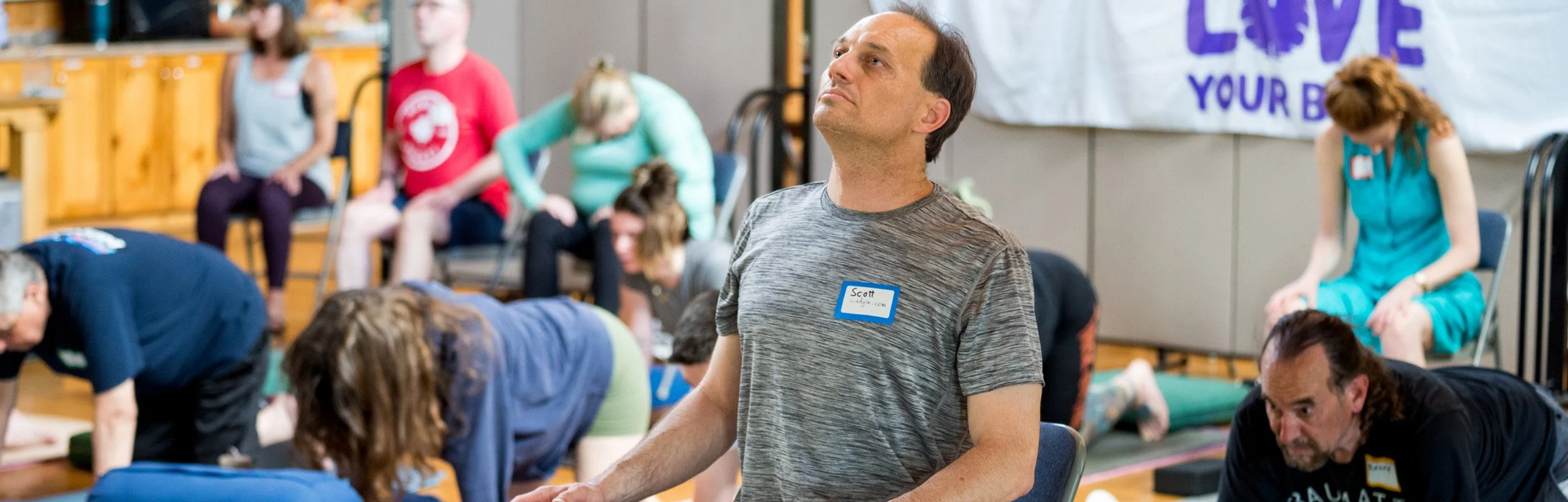
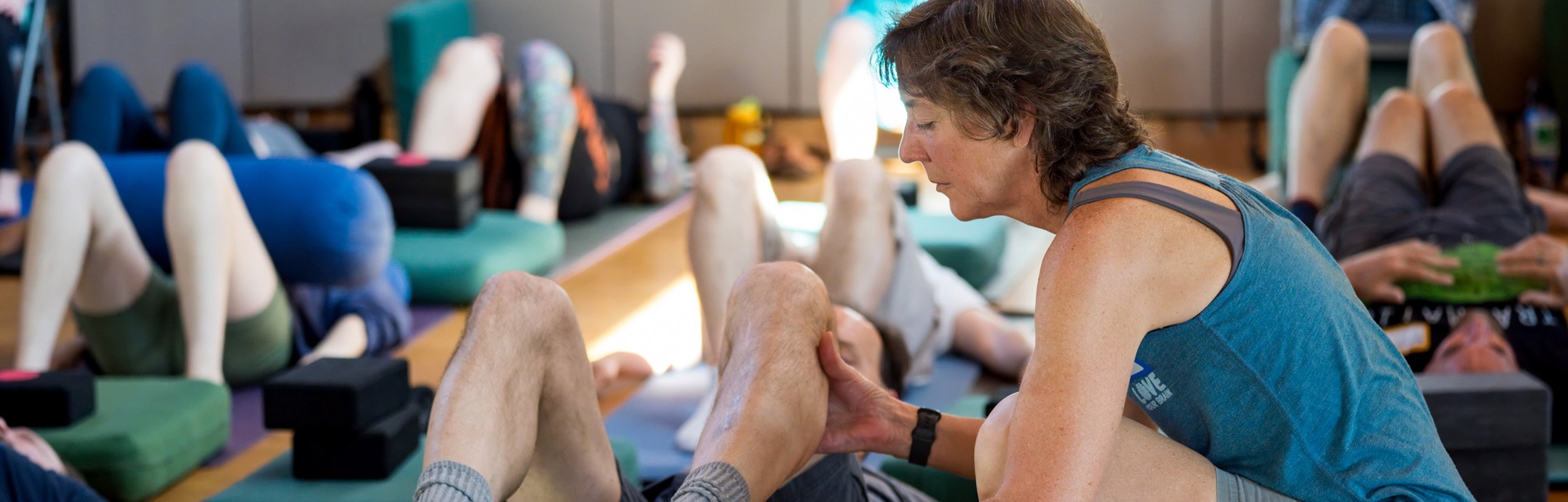
Participants consistently described LoveYourBrain Yoga as much more than a yoga class. The combination of adapted movement, breathing exercises, meditation, psychoeducation, and supportive group discussion helped participants reconnect with themselves and others while developing practical tools for everyday life.
Beyond physical improvements, many participants experienced a renewed sense of hope, confidence, and identity following brain injury. The group setting reduced feelings of isolation, encouraged meaningful relationships, and helped participants build resilience by learning from others with shared experiences. Many also reported feeling more comfortable participating in other community activities after completing the program.
Researchers concluded that LoveYourBrain Yoga may serve as an effective model of community-based rehabilitation by promoting physical, psychological, and social health while helping people reintegrate into their communities after brain injury.
What this means for you
Recovery after brain injury is not only about reducing symptoms—it's also about rebuilding confidence, relationships, purpose, and participation in everyday life. This study suggests that combining adapted yoga with education and peer connection can help people move beyond rehabilitation and reconnect with their communities in meaningful, lasting ways.
Frequently Asked
Questions
-
Participants consistently identified the group discussion as one of the most valuable parts of the program. Sharing experiences with others who understood brain injury helped reduce isolation, foster hope, and build meaningful relationships that often continued after the program ended. Many described the discussions as more hopeful and empowering than traditional support groups.
-
Yes. Participants described regularly using breathing exercises, mindfulness practices, and other techniques learned during the program to manage stress, regulate emotions, improve attention, and navigate daily challenges long after the six-week series ended. Caregivers also observed lasting positive changes in emotional regulation and coping.
-
Participants reported improvements not only in strength, balance, and flexibility, but also in confidence, self-acceptance, emotional resilience, and their ability to see themselves as capable of continuing to grow after brain injury. Many described learning to embrace a "new normal" while discovering renewed purpose and hope for the future.
-
Traditional rehabilitation often ends long before people feel fully reconnected to their communities. This study suggests that community-based programs like LoveYourBrain Yoga can help bridge that gap by combining evidence-informed movement, education, peer support, and resilience-building in a welcoming community setting. Researchers conclude that this model has the potential to become an important complement to traditional rehabilitation and improve long-term community integration after traumatic brain injury.
LoveYourBrain programs based on this research
Related Studies

LYB Mindset: Acceptability, Usability, and Effectiveness
The feasibility and impact of a yoga pilot programme on the quality-of-life of adults with brain injury